Industrial Placement · Product Design — 2021

Origin
Plastics

Twelve weeks designing for manufacture inside a micro-business that turned recycled plastic into something worth keeping.

Company

Origin Plastics

Role

Junior Product Designer — Internship

Duration

12 Weeks · Fully Remote

Material

Post-Consumer Recycled Plastic

Output

CAD Development · KeyShot Renders

Origin Plastics is a micro-business focused on turning post-consumer recycled plastic into homeware products worth buying. Not a charity case — the premise is that waste material, handled with enough design rigour, can be genuinely desirable. The placement was part of my third year at RGU.

It was fully remote throughout. COVID had closed every studio in the country, which meant all the work happened on screen — no workshop access, no physical prototyping, no handling the material. That constraint shaped what was possible and, honestly, what wasn't.

The core challenge at Origin isn't aesthetic. It's perception. People associate recycled plastic with cheap, short-lived, disposable goods — regardless of what the material can actually do. Every design decision was an argument against that assumption.

Design a high-end consumer product using Origin's existing injection moulding machines. The product had to be commercially viable at small batch scale and position recycled plastic as a premium material — not an apology for it.

Hard Constraints

Everything starts with
what the machine can do.

Max Shot 100g injection weight — the ceiling was set by the existing machines, not the design
Process Injection moulding only — no blow moulding, no extrusion, no secondary processes
Material Recycled plastic — colour and finish variability are features, not defects to engineer out
Scale Batch production — tooling cost had to be recoverable across realistic run sizes

Before any ideation I ran online surveys to understand how people actually felt about recycled plastic in a homeware context. The finding was consistent across responses: recycled plastic carries a quality penalty in perception that has nothing to do with its material properties.

People associate it with single-use packaging, not considered objects. The word "recycled" reads as inferior rather than responsible. That's the gap the design had to close.

100+

Survey Respondents

Online questionnaire exploring perception of recycled plastic in homeware

01

Core Finding

Recycled = cheap. The perception gap was bigger than the material gap

Design Response

Form and surface quality had to do the work of reframing the material

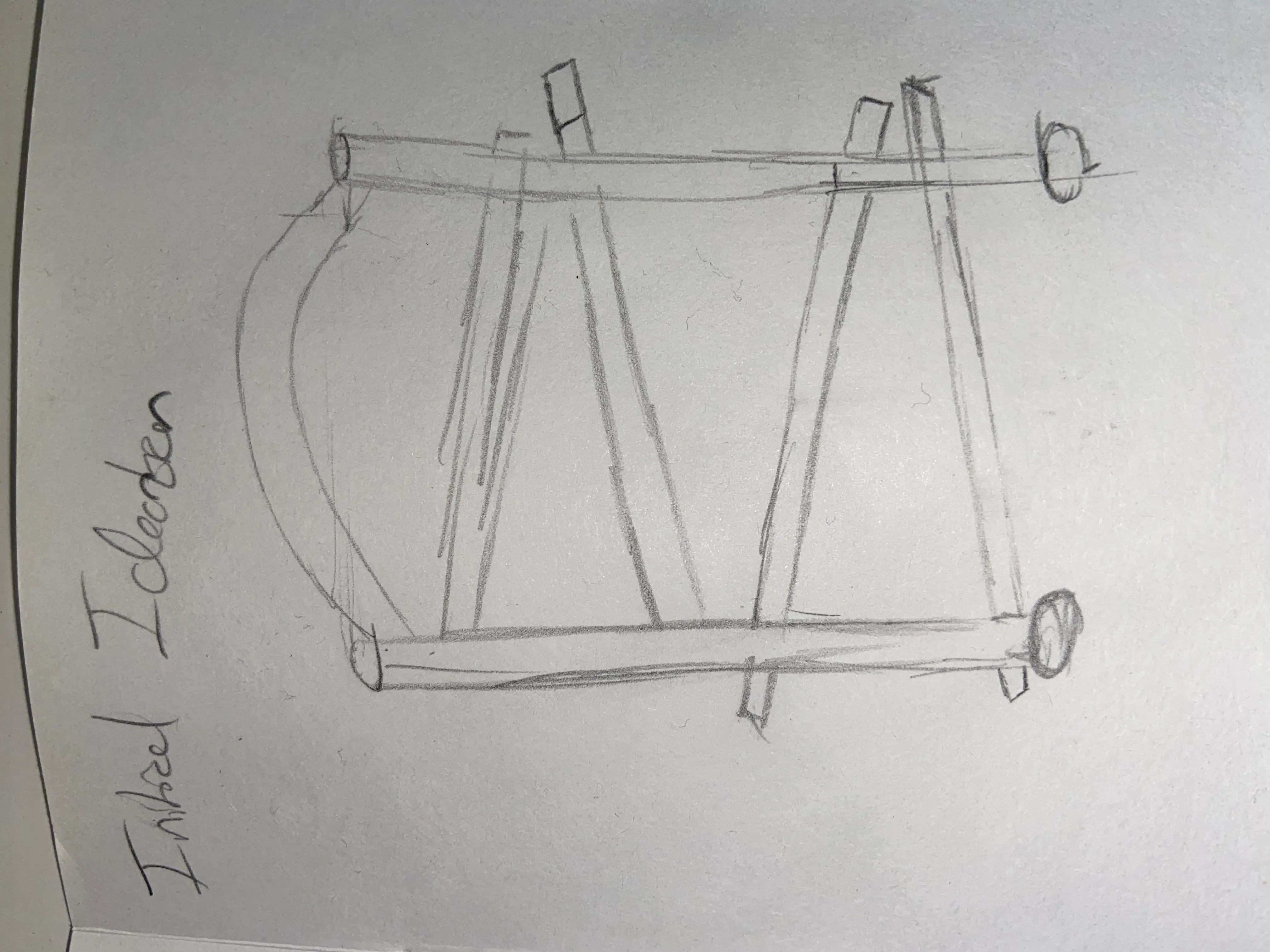
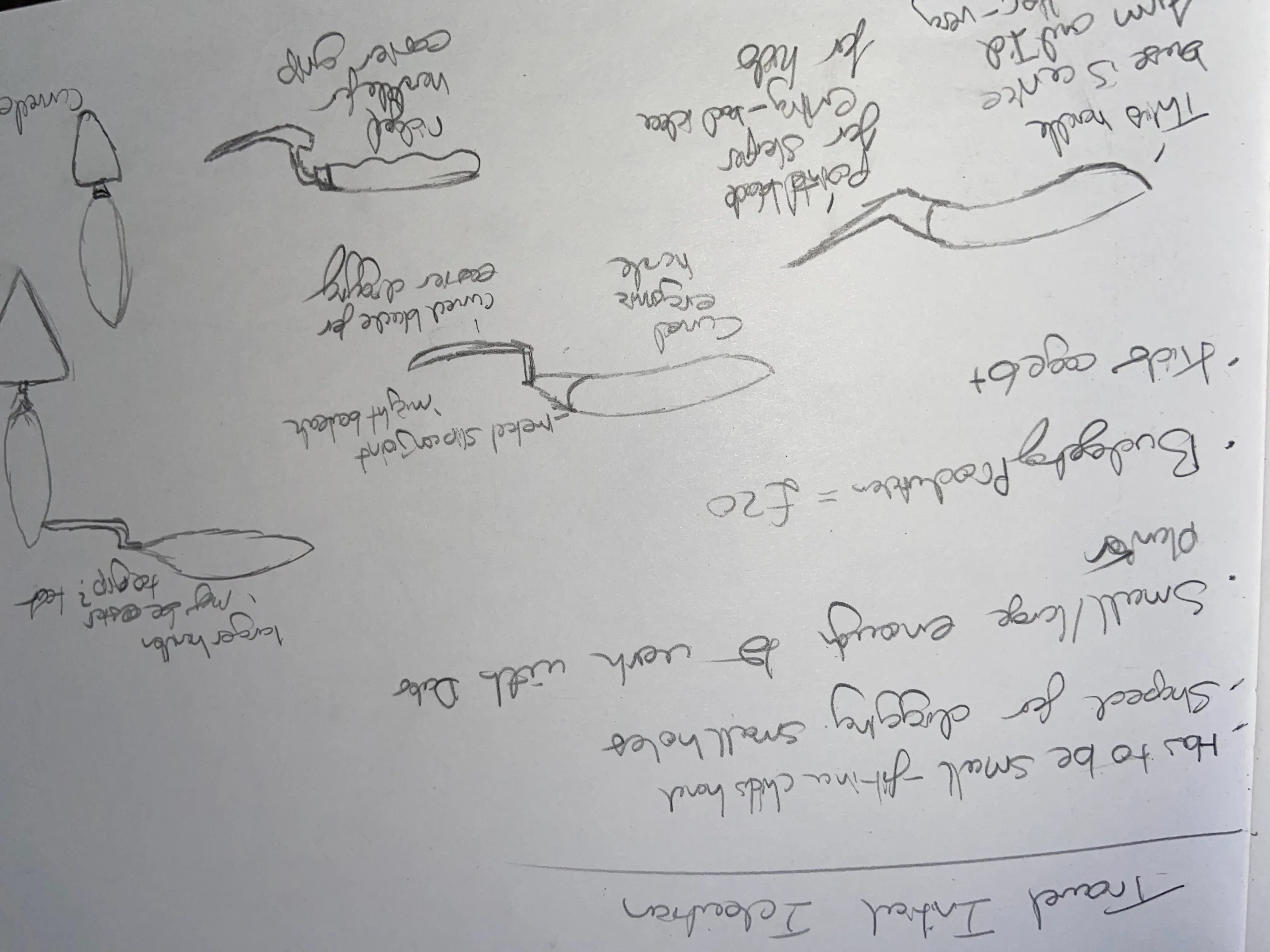
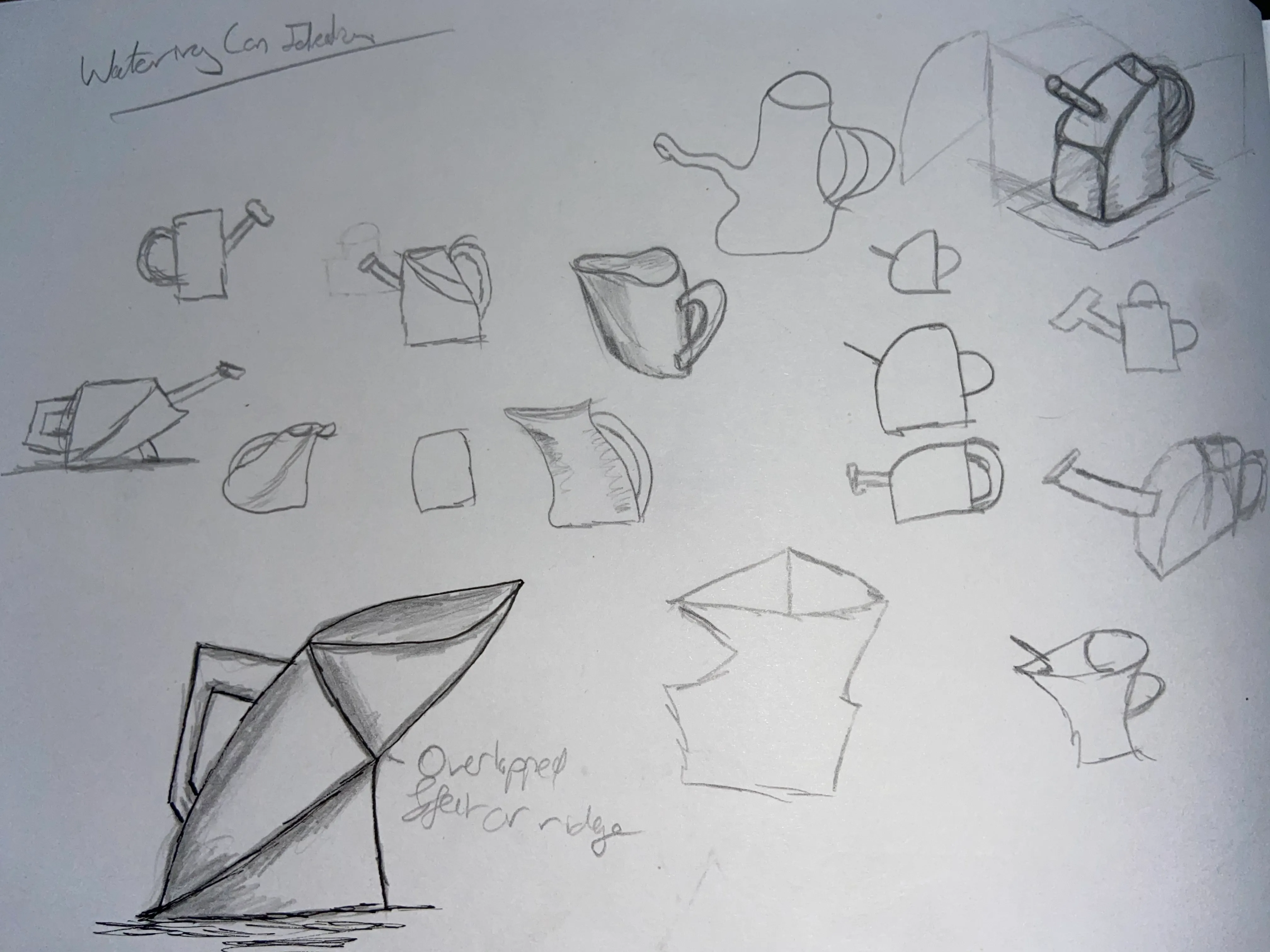
Early exploration covered a wide range of domestic typologies — the question at this stage was where form, tactility, and surface continuity could do the most work in reframing the material. Sketching ran alongside CAD. Not sequential — both happening at once, testing whether what looked good in line would hold up as a solid.

The constraint was always present. 100g maximum shot weight. That rules out a lot. Large objects with thick walls, anything requiring multiple complex parts, anything that needs a secondary process to join. The brief was already narrowing the field before the form decisions started.

The goal wasn't variety for its own sake — it was range. Testing how far the material could be pushed visually before it stopped making sense to produce it.
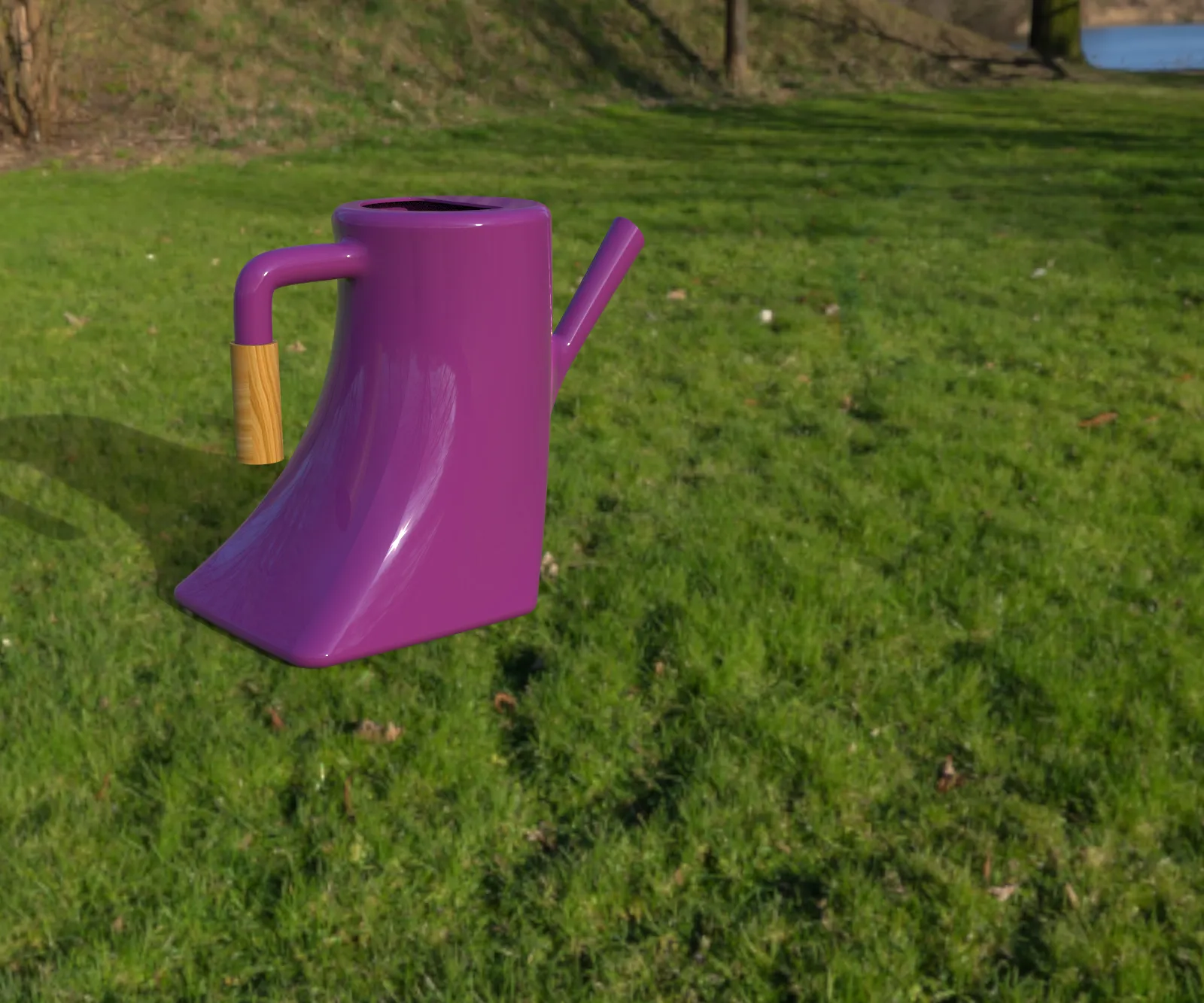
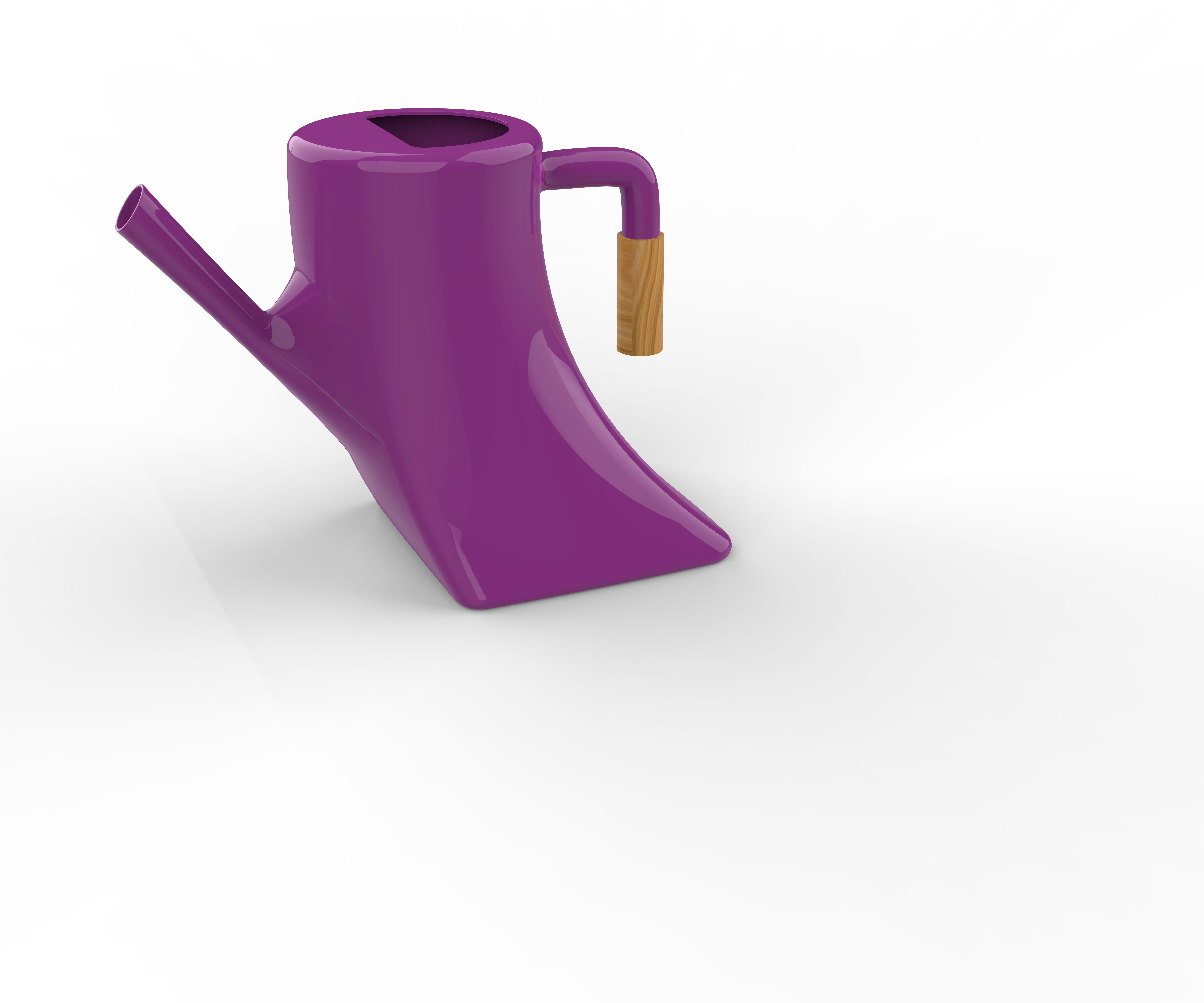
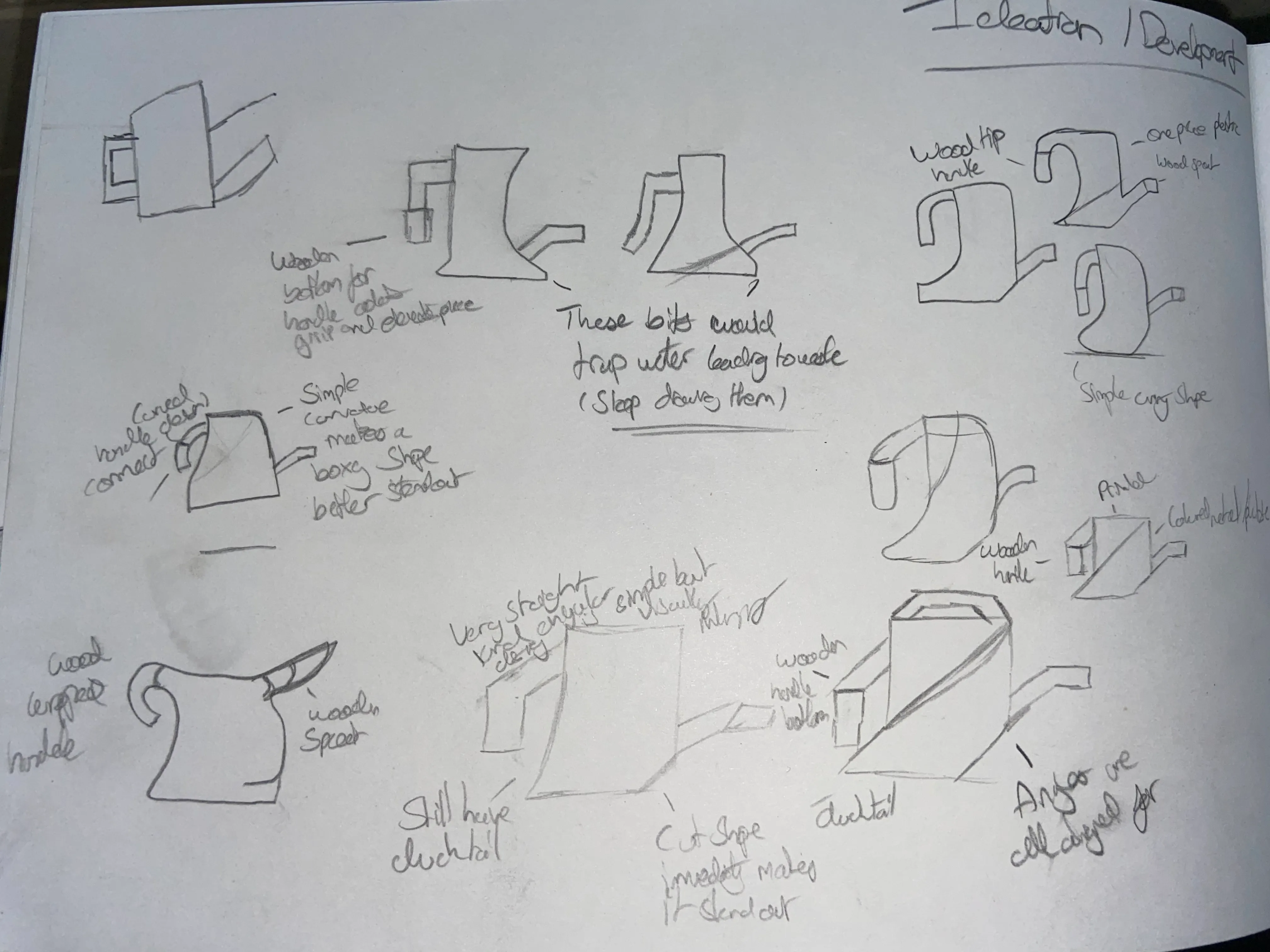
The watering can landed as the primary concept. Clear functional requirements, enough formal freedom to push the material, and a recognisable typology that would let the surface quality read against something familiar.

The forms leaned into curvature — sweeping transitions, continuous surfaces, visual weight distributed through the body rather than the walls. The intention was to make recycled plastic look deliberate. Something produced with the same consideration as cast iron or blown glass.

In CAD it looked right. The curves emphasised material flow. The proportions were generous without being heavy. It passed the visual test.

×

The watering can passed the
visual test. It failed the tooling one.

Manufacturing review flagged the problem. The continuous curvature that made the form interesting to look at was exactly what made it expensive to tool. Complex geometry, difficult draft angles, part separation that didn't resolve cleanly — the watering can was producible in theory and unviable in practice at the batch sizes Origin was working with.

The watering can wasn't the wrong idea. It was the wrong typology. The instinct — use surface and form to reframe the material — was right. The object chosen to carry that argument was one manufacturing couldn't afford.

The constraints pointed clearly. Simpler geometry. Cleaner draft angles. Fewer undercuts. Surfaces that could still carry the material quality the watering can was trying to demonstrate — just without the tooling complexity that killed it.

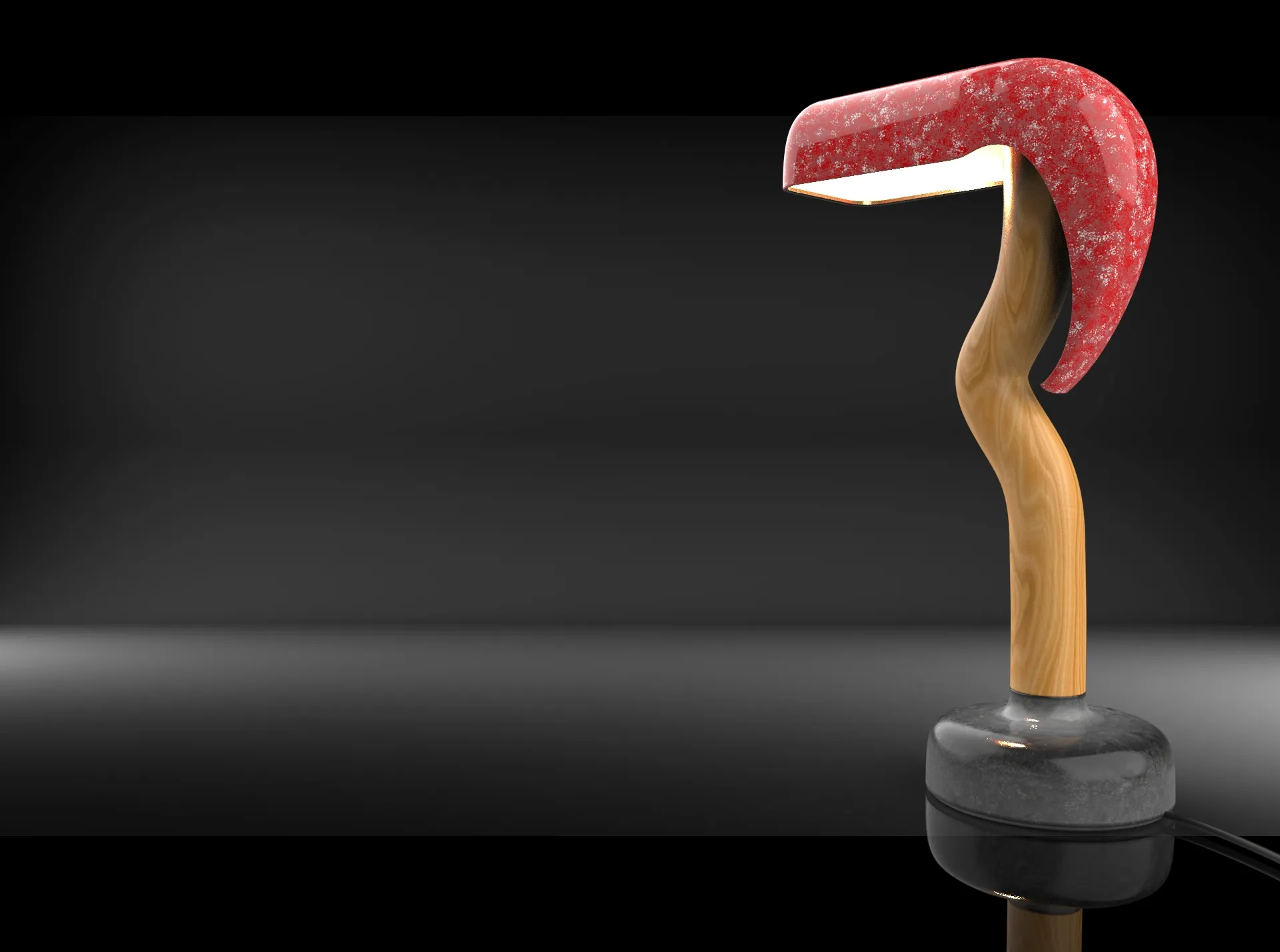
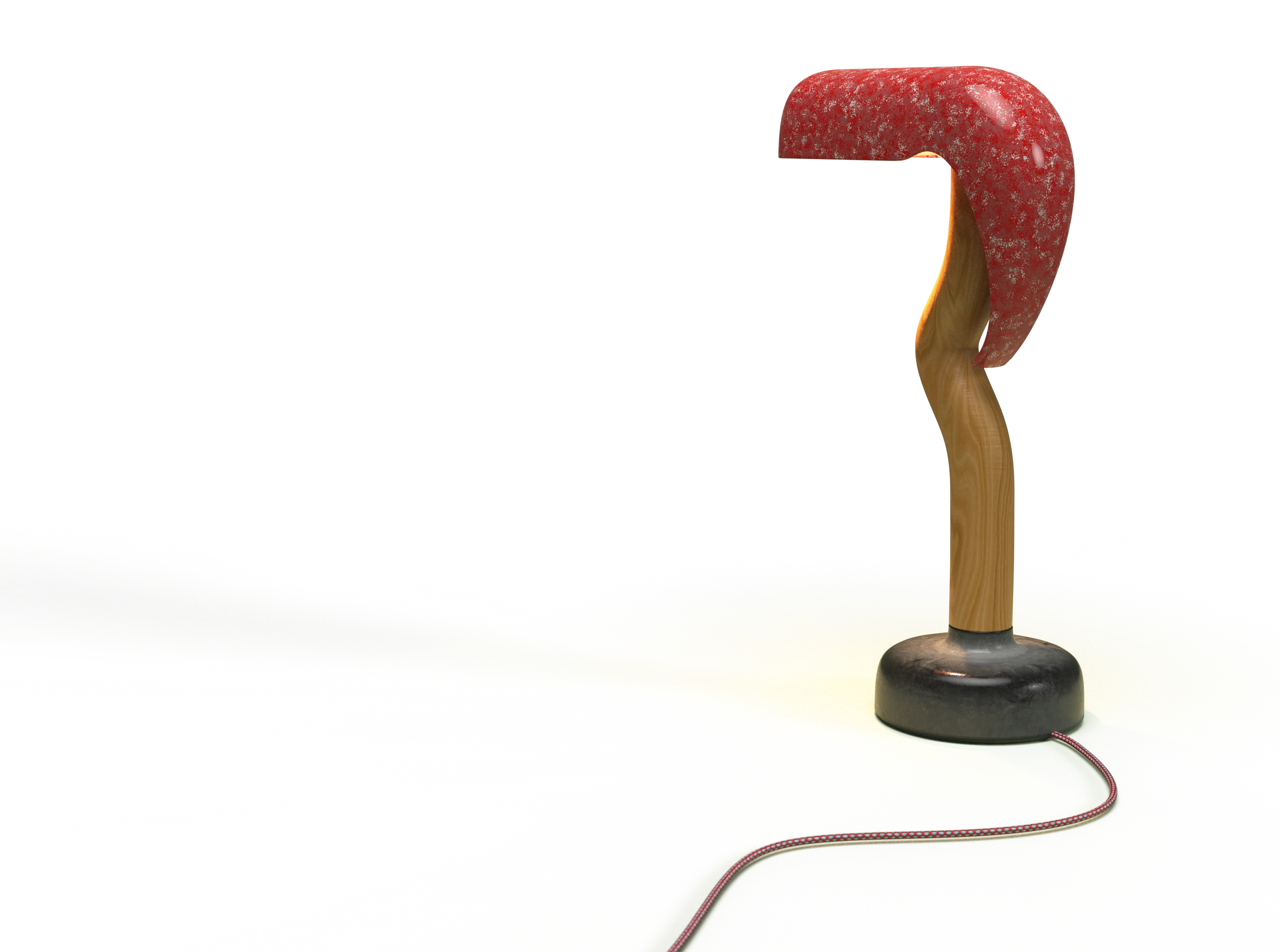
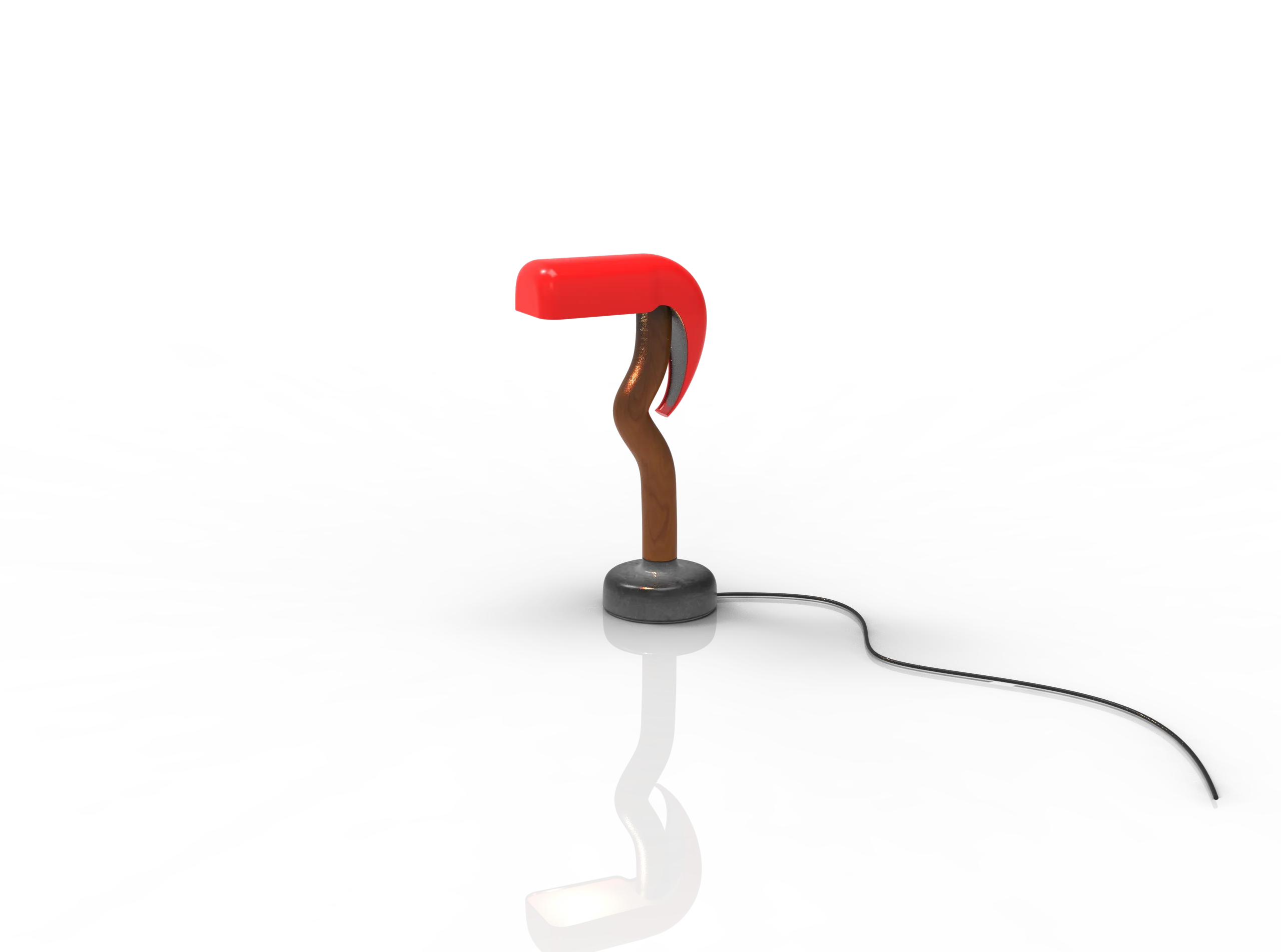
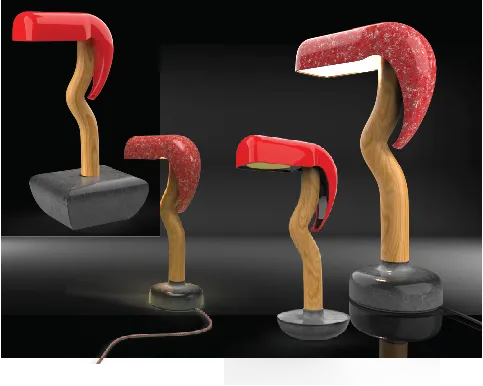
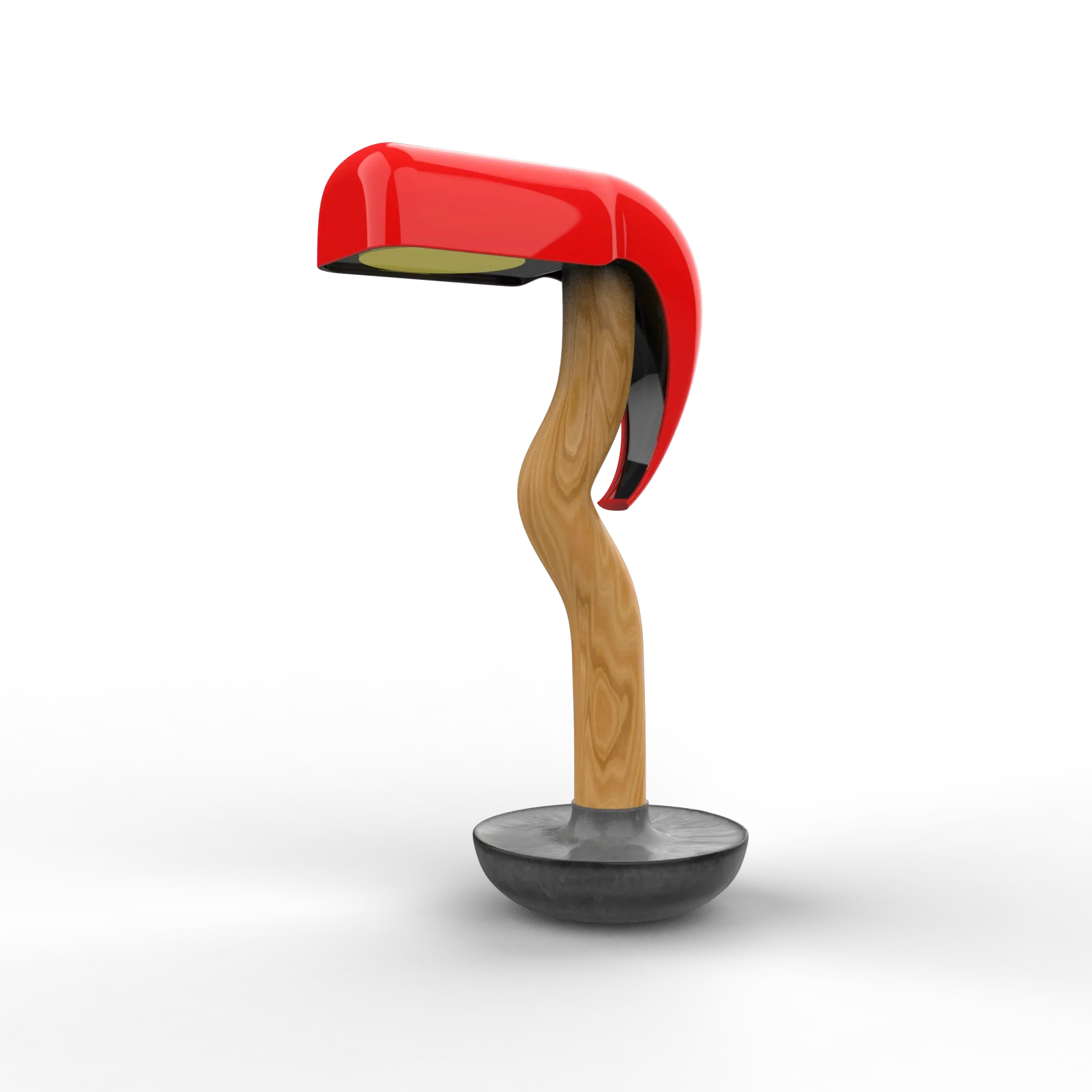
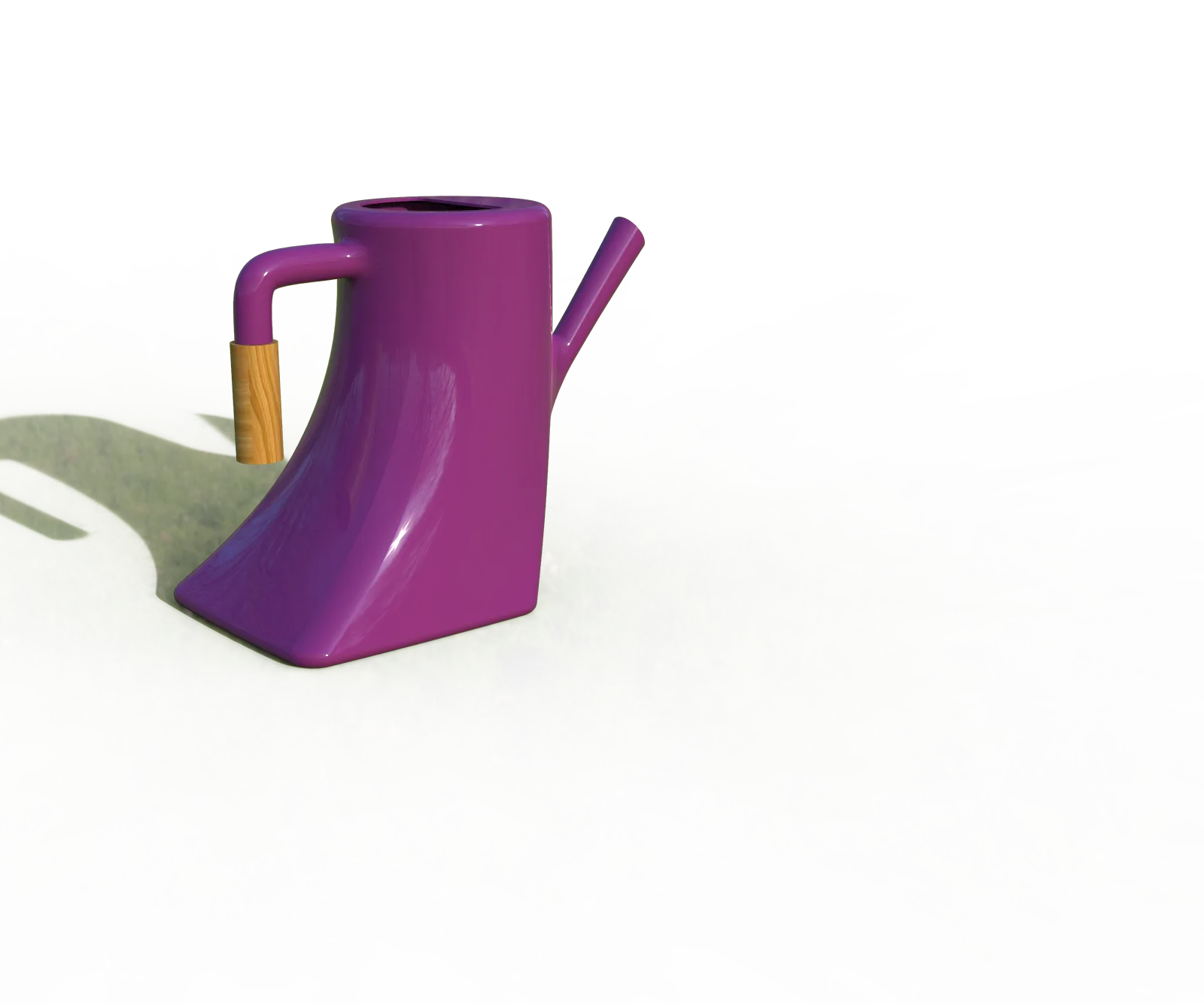
The lamp emerged from those conditions. A typology with cleaner part separation, more forgiving geometry, and surfaces that reward the same curved, continuous treatment. The form was resolved in CAD and taken through to KeyShot for final visualisation.

The material logic stayed the same throughout: recycled plastic handled with enough care becomes worth keeping. The object changed. The argument didn't.

No physical prototype. The project didn't reach tooling — remote working meant no workshop access, and the pivot to the lamp happened late enough in the placement that production feasibility testing wasn't possible in the time available.

What exists is a full digital concept: initial survey research, ideation sketches, two rounds of CAD development across two typologies, manufacturing-informed iteration, and final KeyShot renders of the lamp.

A portion of the work was retained internally by Origin. The renders and documentation here represent the full scope of what was produced during the placement.

CompanyOrigin Plastics — micro-business, sustainability-led homeware manufacture
Duration12 weeks, fully remote (COVID-19 restrictions throughout)
ResearchOnline surveys, 100+ respondents. Consumer perception of recycled plastic in homeware context.
ToolsCAD (Rhino), KeyShot rendering
ProcessIdeation → watering can concept → manufacturing review → pivot to lamp → final CAD and renders
OutputSketch ideation, CAD development across two concepts, KeyShot visualisations. No physical prototype produced.
The instinct was right. The object chosen to carry it was one manufacturing couldn't afford. — Reflection, Origin Plastics Placement, 2021
01

Manufacturing review belongs at the brief stage

The watering can survived ideation and most of CAD development before tooling constraints killed it. That feedback should have arrived at the typology selection stage — before any resolve happened. Running manufacturing checks earlier would have either saved the concept or redirected it faster.

02

Typology selection is a manufacturing decision

Choosing what kind of object to make is also choosing which production constraints you're taking on. The watering can looked like a formal decision. It was also a tooling decision I hadn't fully examined. Next time that conversation happens at the start, not the end.

03

Physical prototypes catch things CAD doesn't

Even rough foam models would have made the tooling issues visible sooner. Remote working removed that option entirely — but the lesson transfers. As soon as it's possible to make something physical, make something physical.

04

More directions before committing to one

The watering can was selected earlier than it should have been. Running more typologies further into development — even just two or three — would have provided a fallback when manufacturing killed the primary direction rather than a pivot with limited time left on the placement.

Next

Cycle Arts Festival